






The Heart of Global Energy Trade: The Strait of Hormuz
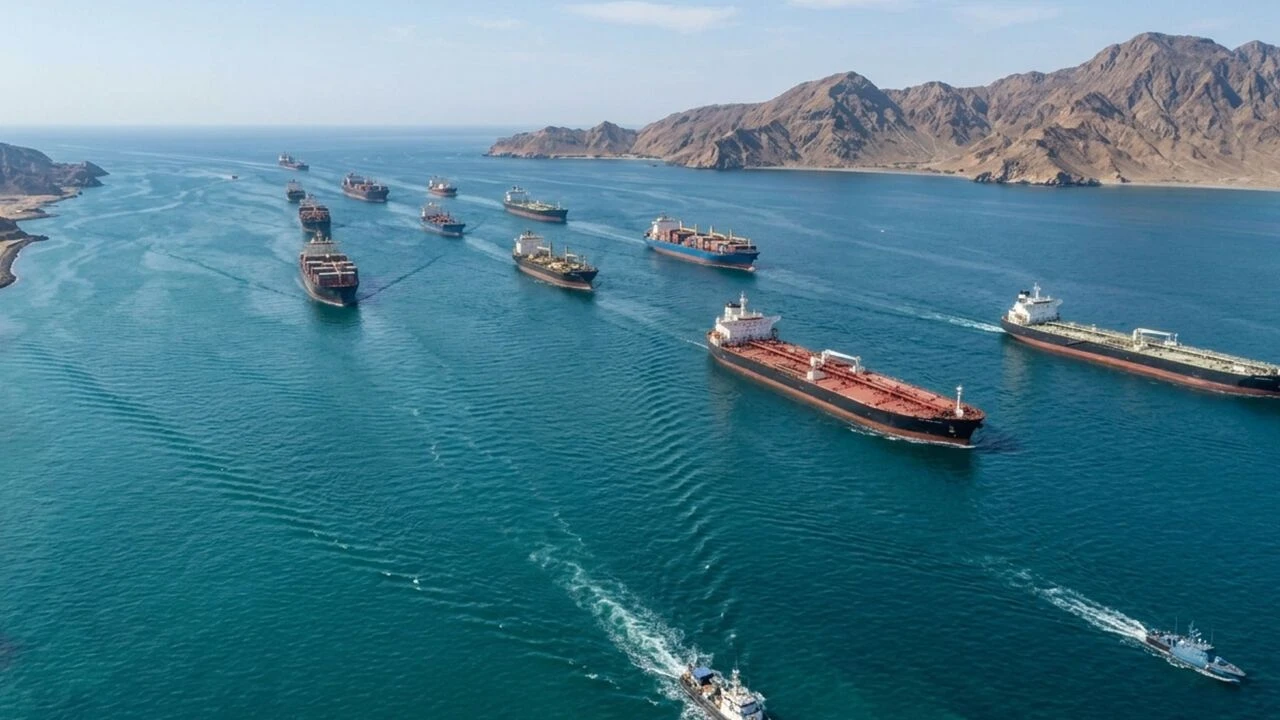
The Strait of Hormuz is one of the most critical transit points in global energy trade. A significant portion of the world's oil supply passes through this narrow maritime corridor every day before reaching international markets.
Recent geopolitical developments and growing security concerns in the region have once again brought supply security discussions to the forefront of energy markets. This situation has contributed to upward pressure on oil prices while also attracting increased attention from companies operating in the energy sector.
Why Are Oil Prices Rising?
Energy market prices are shaped not only by current supply and demand conditions but also by potential future risks.
Any disruption in the Strait of Hormuz could:
- Reduce global oil supply,
- Extend transportation times,
- Increase insurance and freight costs,
- Affect refinery feedstock procurement processes.
As a result, investors and energy companies have already begun pricing in potential risks.
Potential Impact on the Base Oil Market
Rising oil prices directly affect the base oil sector. In particular, cost pressures are expected to increase for both Group I and Group II base oil products.
According to industry experts:
- Prices of SN150, SN500, and Bright Stock products may remain strong.
- Raw material costs for base oil producers may increase.
- Supply costs could rise in importing countries.
- Price volatility may be observed in spot markets.
These developments are being closely monitored, especially by lubricant manufacturers and industrial oil consumers.
Importance for the Turkish Market
Turkey meets a significant portion of its energy and base oil demand through imports. Therefore, every development in international oil markets can directly impact local pricing and supply planning.
For manufacturers, exporters, and industrial enterprises in particular, effective inventory management and long-term supply planning have become more important than ever.
What Can Be Expected for the Rest of 2026?
Experts predict that energy market volatility may remain elevated if geopolitical tensions continue. At the same time, the global demand outlook, OPEC+ production policies, and refinery operations will remain the primary factors determining market direction.
For companies operating in the oil and base oil industries, closely monitoring market developments and building flexible, sustainable supply strategies will be critical.
Conclusion
Developments in the Strait of Hormuz have the potential to impact not only oil markets but the entire global energy supply chain. Movements in oil prices will continue to play a decisive role in base oil costs and international trade flows.
Dream Petroleum closely monitors developments in global energy markets and continues to provide customers with reliable and sustainable supply solutions.