






How Global Maritime Transportation Risks Are Reshaping The Oil Market In 2026?
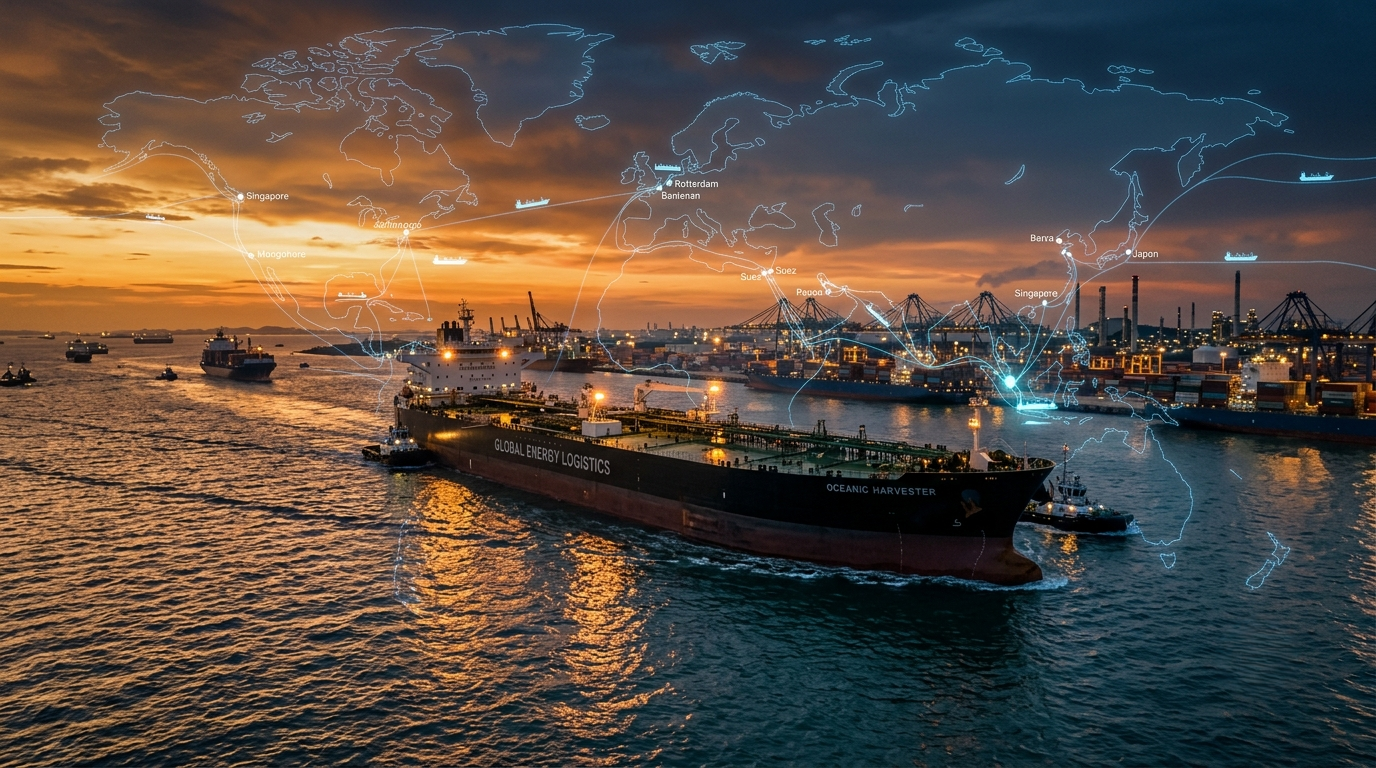
Increasing security risks, particularly around the Strait of Hormuz and the Red Sea corridor, are forcing oil suppliers, trading companies, and logistics operators to develop new operational plans. Longer tanker routes, rising freight costs, and fluctuating delivery times are making operational flexibility more critical than ever in the energy sector.
Today, competition in the energy industry is no longer limited to product supply alone. Strong logistics management, rapid operational capabilities, and reliable supply chain planning also play a decisive role in the sustainable growth of companies.
The Growing Importance Of Logistics In Energy Trade
Modern petroleum trade largely depends on maritime transportation. Even short-term disruptions at strategic transit points can directly affect;
- crude oil prices,- base oil supply,
- petrochemical operations,
- - And regional fuel availability.
For this reason, international energy companies are now prioritizing:
- building alternative supply networks,
- expanding regional storage solutions,
- establishing more flexible export operations,
- and improving rapid commercial coordination
As key strategic priorities.
Türkiye’s Strategic Position Continues To Strengthen
Located as a natural trade bridge between Europe, the Middle East, and Asia, Türkiye is becoming an increasingly important hub in global energy logistics.
In particular, Istanbul stands out as a regional center for energy trade, operational management, and international coordination. Türkiye’s geographical advantage provides energy companies with significant opportunities in terms of faster access, flexible operational management, and alternative logistics planning.
A New Era For The Petroleum Sector In 2026
As of 2026, success in the petroleum and petrochemical sectors is no longer measured solely by production capacity.
In today’s energy markets, companies’ ability to;
- adapt quickly to changing global conditions,
- establish strong international connections,
- manage logistics risks effectively,
- and build sustainable operational structures
Has become far more important.
As global energy markets continue to evolve, operational resilience, strategic positioning, and reliable commercial partnerships will remain the key factors shaping the future of the industry.